✨ New Arrivals Just Dropped!Explore
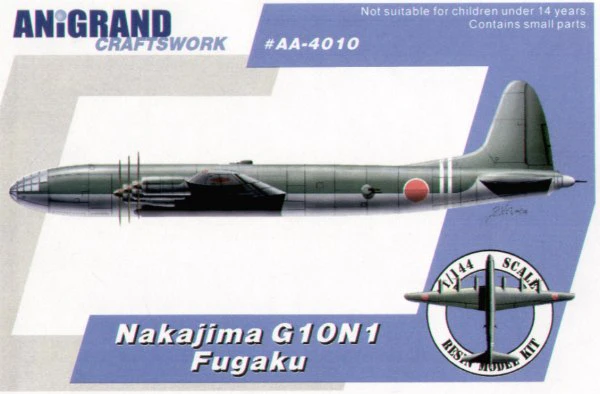
Anigrand Craftswork ANIG4010 1:144 Nakajima G10N1 Fukagu
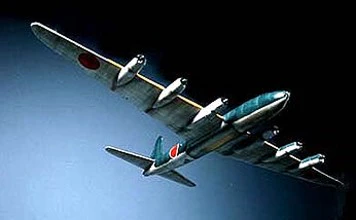
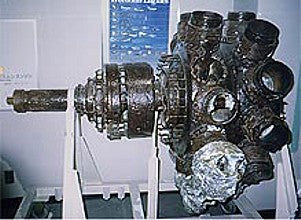
Nakajima G10N1 Fukagu. Also includes BONUS kits of the Mansyu Ki-98, Kawanishi Baika, Mizuno Shinryu. WAS £87.99. NOW BEING CLEARED!! SAVE 1/3RD!!! In 1943, as the war situation worsened, Nakajima sought to develop a very long-range, super heavy bomber which could be able to carry 11000 lbs bomb load into U.S. air-field, where they could mount bombing raids against targets along America's western seaboard. The project in-house named 'Z-bomber'. The project impressed the Japanese Army and Navy. With the supports from military, Nakajima finalized the specification of the bomber, designated G10N1 Fugaku. Initially, Nakajima planned to use the powerful Nakajima Ha-44 36-cylinder radial engine, mounting three per wing, each would reach 5,000hp. Howe ver, it was to be seen that the Ha-44 was too complex, and it would not be available in any reliable form. As the Z-project could not wait for them to be ready, six Mitsubishi Ha-50 radials would have to be used instead. In February 1944, after U.S. Marines captured Iwo Jima, Nakajima was ordered to stop any development of bomber, that would not interfered with fighter plane production. In 1979, an Ha-50 engine was found and unearthed during expansion of Tokyo Haneda airport, and now it is on display at the Narita Aerospace museum.
$151.09
Anigrand Craftswork ANIG4010 1:144 Nakajima G10N1 Fukagu—
$151.09
Product Information
Product Information
Shipping & Returns
Shipping & Returns
Description
Nakajima G10N1 Fukagu. Also includes BONUS kits of the Mansyu Ki-98, Kawanishi Baika, Mizuno Shinryu. WAS £87.99. NOW BEING CLEARED!! SAVE 1/3RD!!! In 1943, as the war situation worsened, Nakajima sought to develop a very long-range, super heavy bomber which could be able to carry 11000 lbs bomb load into U.S. air-field, where they could mount bombing raids against targets along America's western seaboard. The project in-house named 'Z-bomber'. The project impressed the Japanese Army and Navy. With the supports from military, Nakajima finalized the specification of the bomber, designated G10N1 Fugaku. Initially, Nakajima planned to use the powerful Nakajima Ha-44 36-cylinder radial engine, mounting three per wing, each would reach 5,000hp. Howe ver, it was to be seen that the Ha-44 was too complex, and it would not be available in any reliable form. As the Z-project could not wait for them to be ready, six Mitsubishi Ha-50 radials would have to be used instead. In February 1944, after U.S. Marines captured Iwo Jima, Nakajima was ordered to stop any development of bomber, that would not interfered with fighter plane production. In 1979, an Ha-50 engine was found and unearthed during expansion of Tokyo Haneda airport, and now it is on display at the Narita Aerospace museum.